Common Table
Building a Restaurant as a Shared Cultural Object

Common Table is a conceptual modern eatery developed in response to a cultural shift in how people experience food, hospitality, and connection. Conceived in 2026 within a landscape increasingly shaped by automation, agentic AI, and frictionless digital consumption, the project explores how physical spaces can restore shared human rituals. Rather than positioning itself as another restaurant brand, Common Table was designed as a hospitality platform built around participation, authorship, and collective presence.
Dining culture has gradually shifted toward efficiency and individualization. Delivery platforms optimize speed, menus are engineered for solo consumption, and digital interfaces increasingly replace human interaction. While convenience improved, something less measurable disappeared — the social ritual of gathering. The core problem was not culinary or operational; it was emotional and cultural. How do you rebuild a sense of community in an era defined by personalized feeds and algorithmic experiences? More importantly, how can a brand embody participation rather than merely communicate it? Traditional restaurant branding relies on fixed assets: a logo, strict identity guidelines, controlled imagery. These systems create consistency but often remove humanity. The challenge became designing a brand whose identity could feel alive — shaped by the people experiencing it.

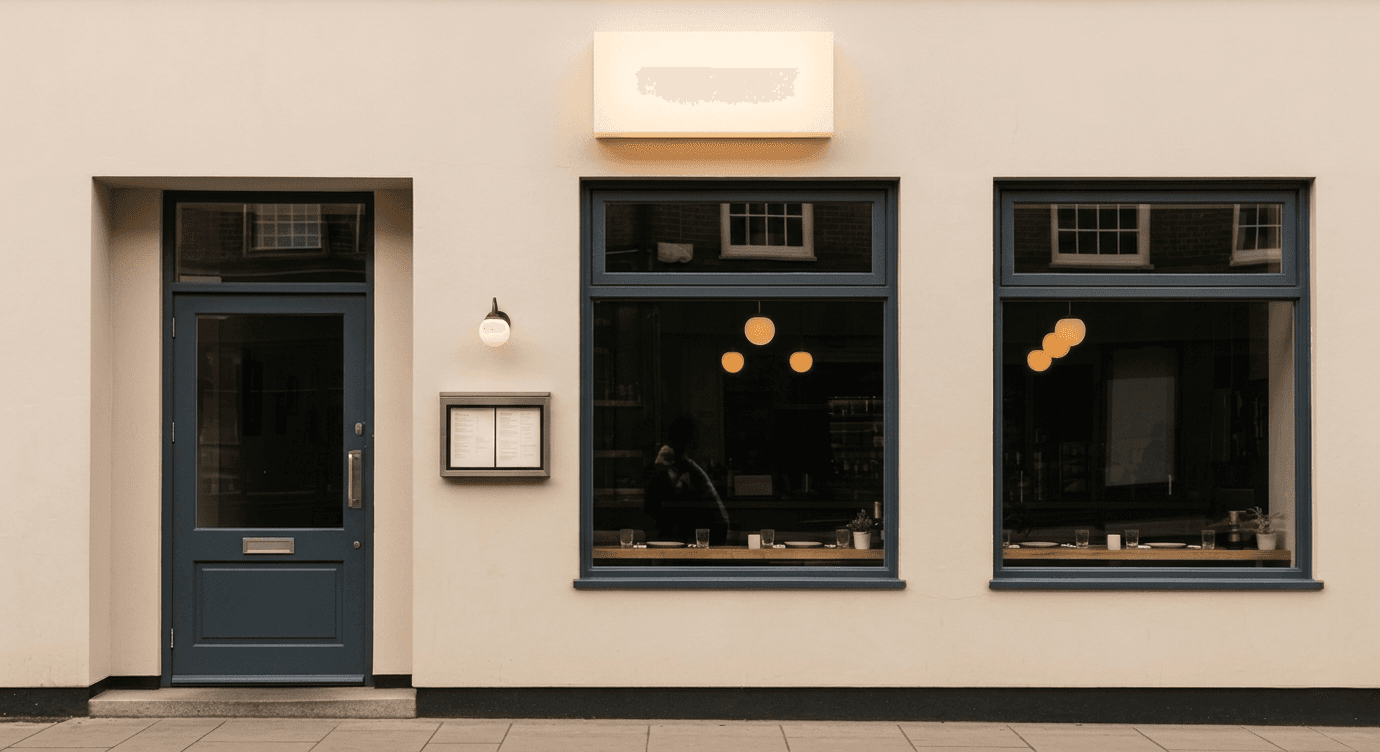
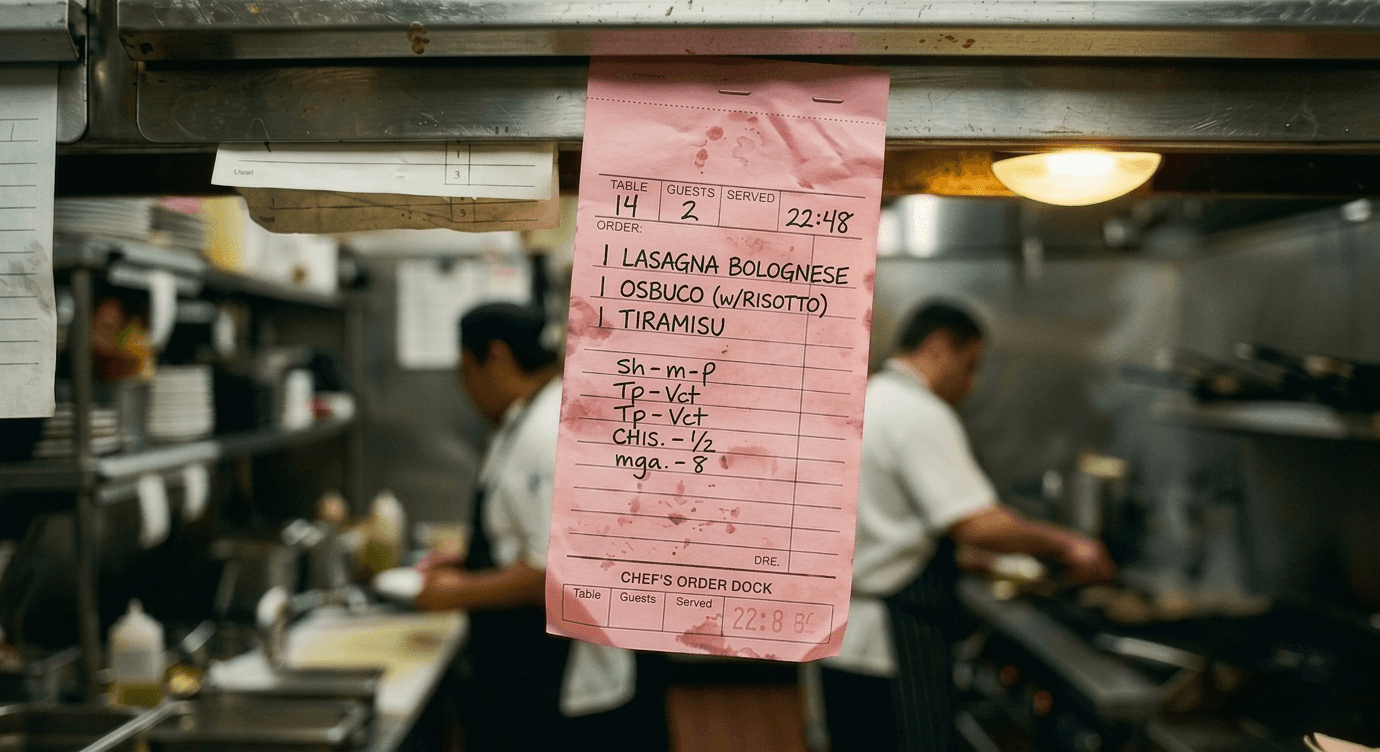
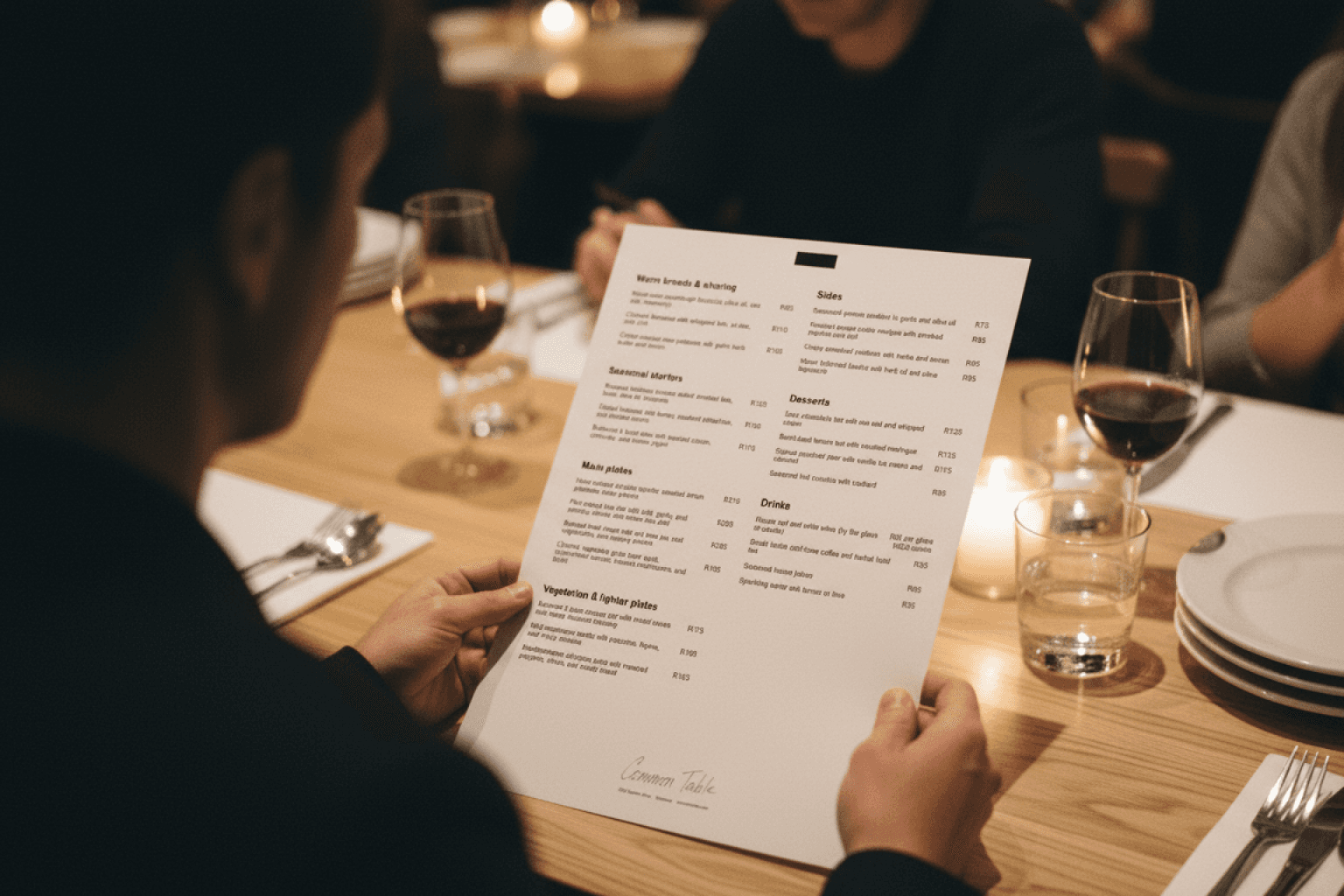
The strategy began by reframing the restaurant not as a venue but as a shared cultural object. Research focused on communal rituals across cultures: long dining tables, shared plates, handwritten menus, and the subtle social choreography of eating together. Observations revealed that connection often happens through small participatory gestures — passing food, writing notes, sharing space — rather than grand experiences. From this insight emerged a guiding principle: the brand should behave like a table, not a corporation. Design exploration prioritized systems over symbols. Instead of creating a single definitive logo, the identity would evolve continuously through patron participation. Guests receive small cards with their bill inviting them to handwrite their own version of the Common Table logo. Staff, regulars, and visitors collectively generate an expanding archive of marks. Each mark becomes valid, documented, and usable within the brand ecosystem. Photography strategy followed the same logic. Rather than one visual style captured by a single photographer, imagery is intentionally captured across multiple cameras and perspectives. The variation reflects the multiplicity of people around the table, reinforcing authenticity over polish. Spatial and graphic decisions were governed by a single proportional rule: a 5.6:1 rectangle derived from the proportions of a communal dining table. This ratio appears repeatedly — menus, signage, photography crops, social layouts, and architectural alignments — quietly embedding the table as the structural DNA of the brand. The process moved through cycles of research, prototyping, and behavioral testing, asking not “What should the brand look like?” but “How should the brand behave?”

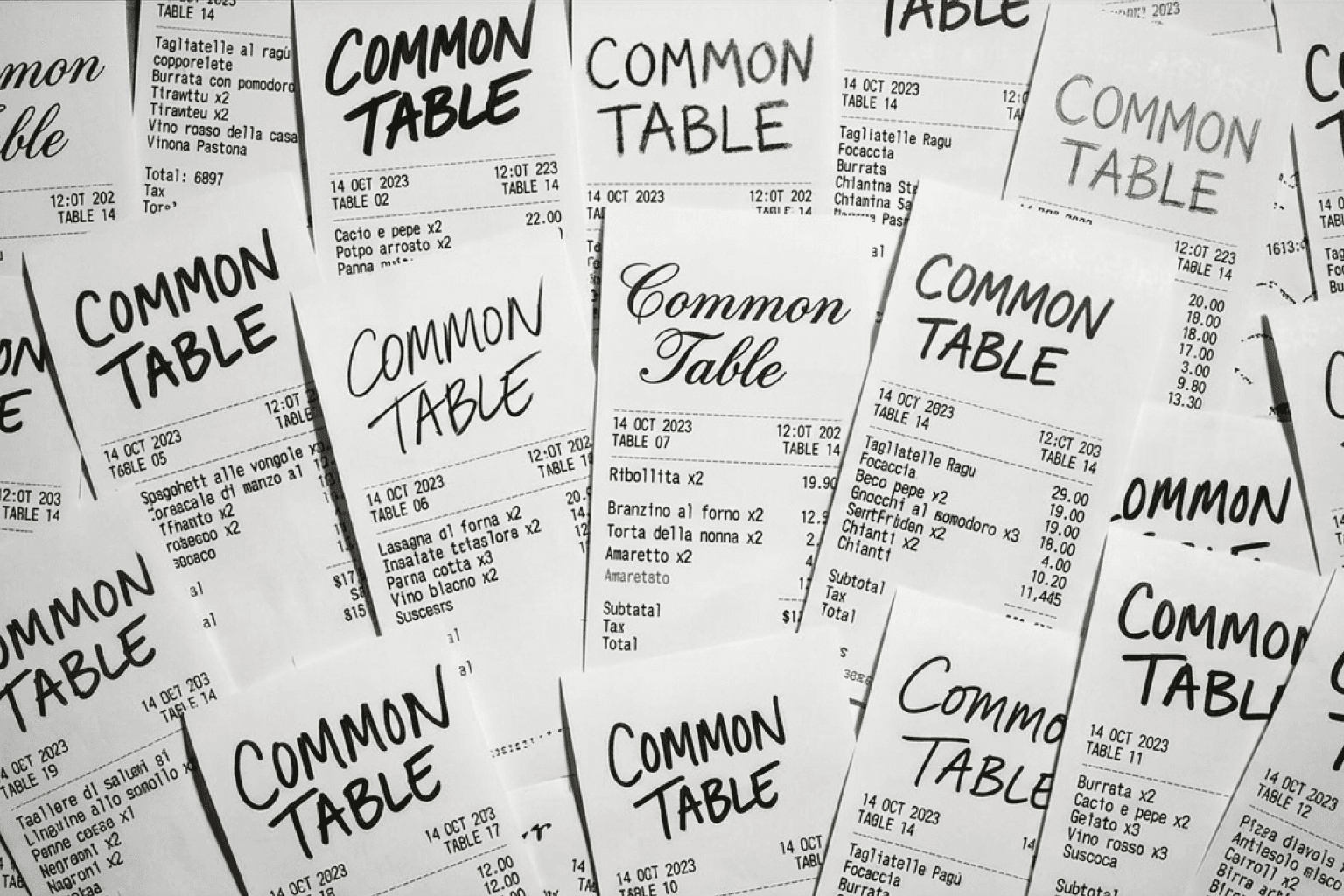
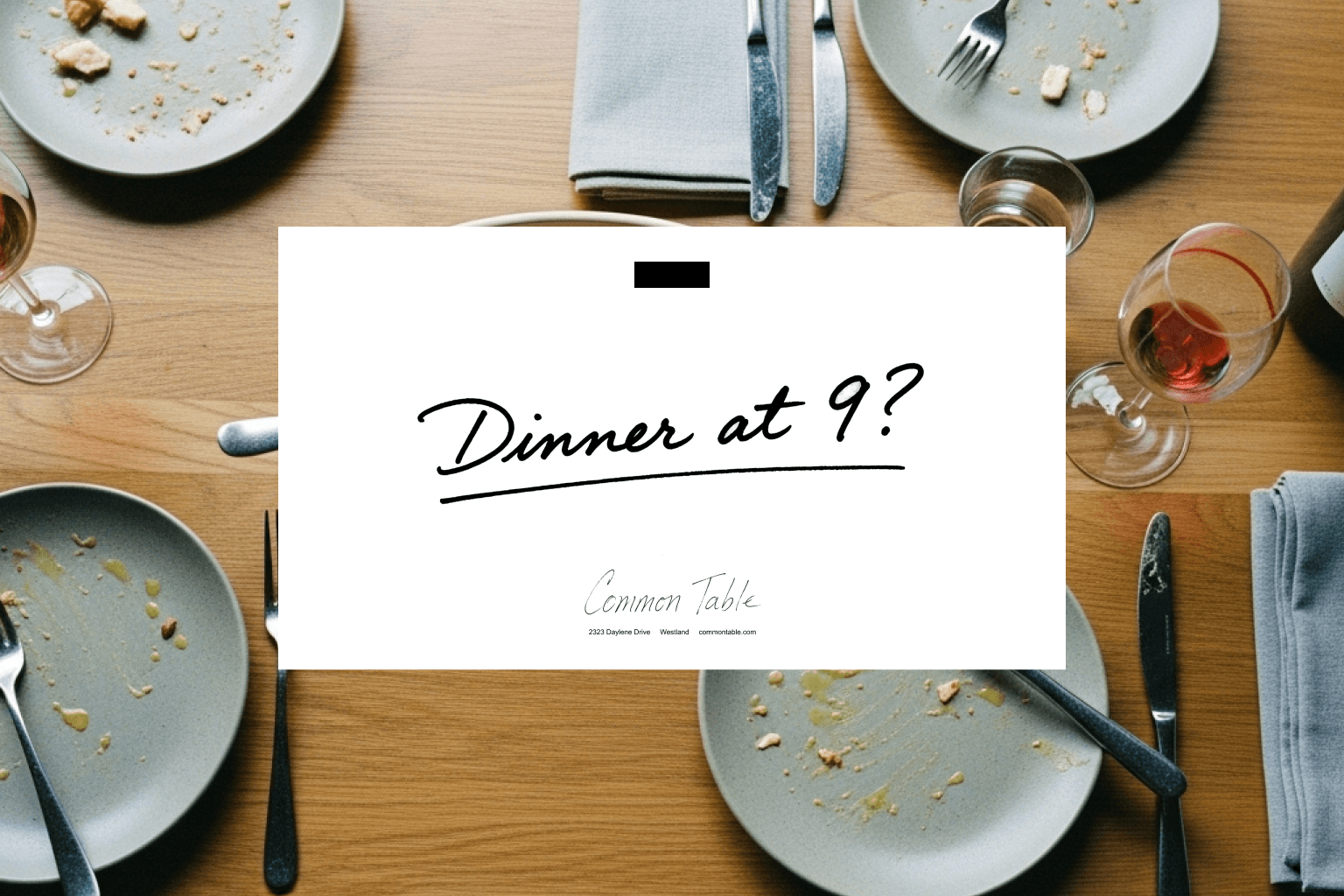

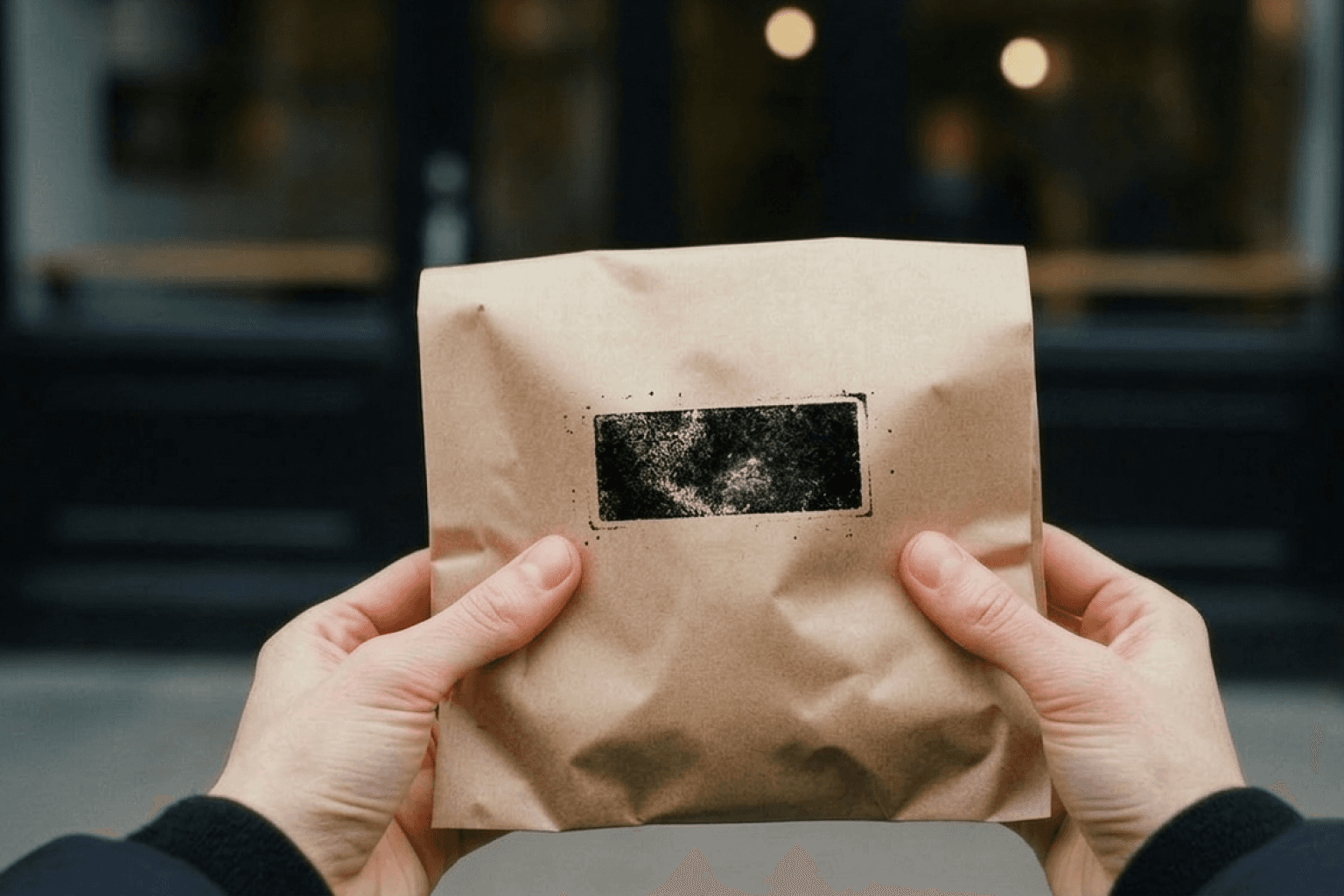
Common Table emerged as a living identity system rather than a fixed visual identity. The absence of a single logo became the brand’s defining feature. Every handwritten mark created by guests expands the brand archive, turning customers into co-authors. Menus, receipts, packaging, and digital channels rotate through these evolving marks, ensuring no two brand moments feel identical while remaining structurally coherent. The 5.6:1 proportion acts as the stabilizing element. While logos change, the frame remains constant, mirroring the consistency of a dining table that hosts endlessly different gatherings. Restaurant imagery centers on shared moments rather than perfected dishes: hands reaching, plates half-finished, conversations mid-motion. The dining environment reinforces this philosophy through long communal tables that physically encourage interaction. The strategy translates into experience design decisions: Bills become invitations to participate. Brand assets become memories. Identity becomes accumulation rather than enforcement. The brand is not presented to guests — it is completed by them.