Felix
Reframing Fast Food as Cultural Media
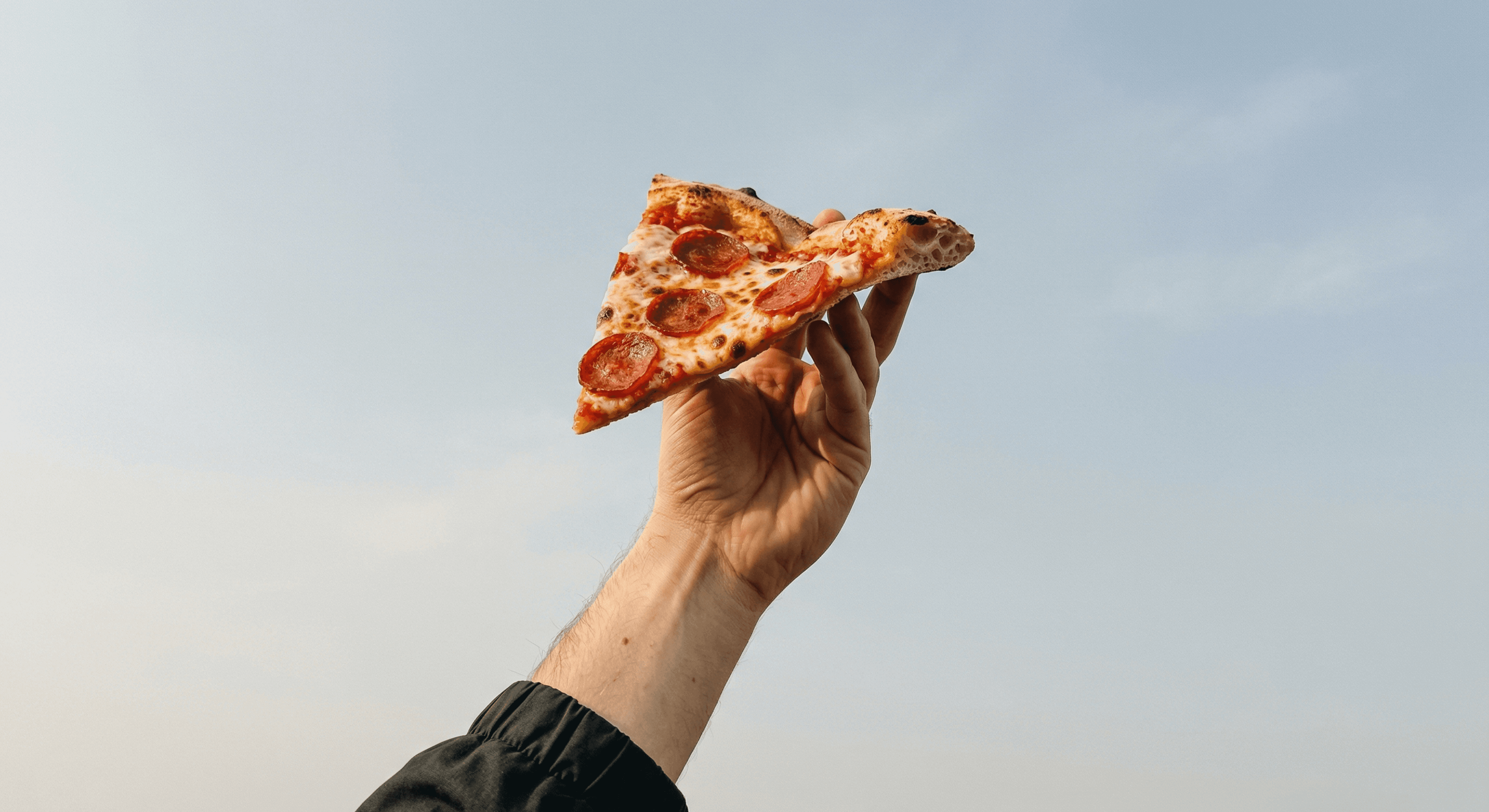
In 2026, food branding sits in a paradox. While Gen Alpha audiences consume more visual content than any generation before them, food imagery has become increasingly artificial — hyper-styled, algorithmically optimised, and detached from lived experience. This conceptual pizza brand was developed for inner-city food culture: a socially driven, visually literate audience that values authenticity but has grown skeptical of polished brand performance. The project explored a question. What would a fast-casual food brand look like if it behaved like real life instead of advertising?
Pizza brands traditionally rely on excess — saturated colours, exaggerated cheese visuals, loud typography, and promotional messaging designed for mass appeal. For a younger urban audience, this language feels predictable and corporate. The challenge was not simply to design another pizza identity, but to resolve a deeper cultural tension: People want brands that feel human, yet most brands still communicate through perfection. The objective became clear: Create a system that feels immediate, imperfect, and culturally grounded — while still making the food desirable and commercially viable.
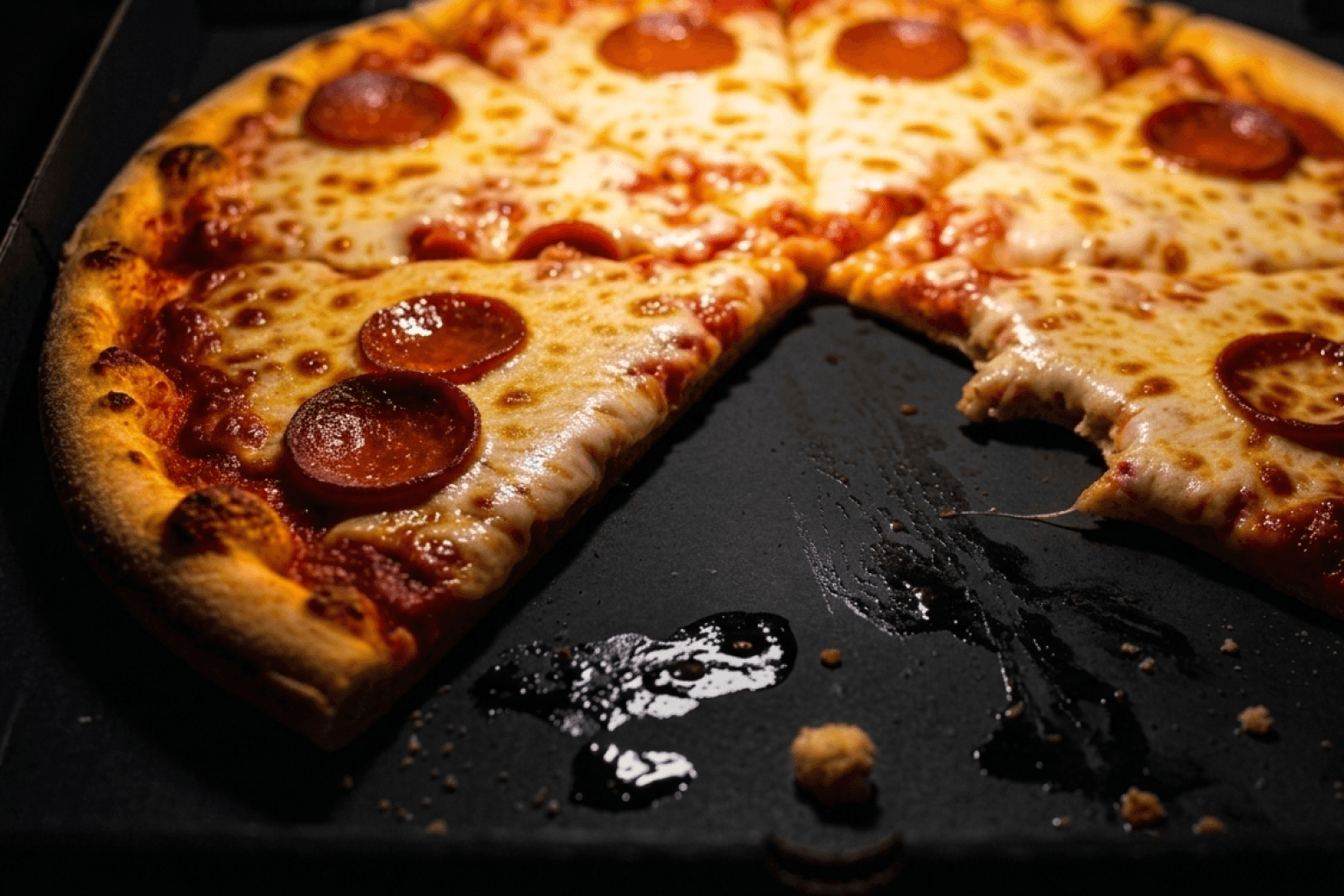
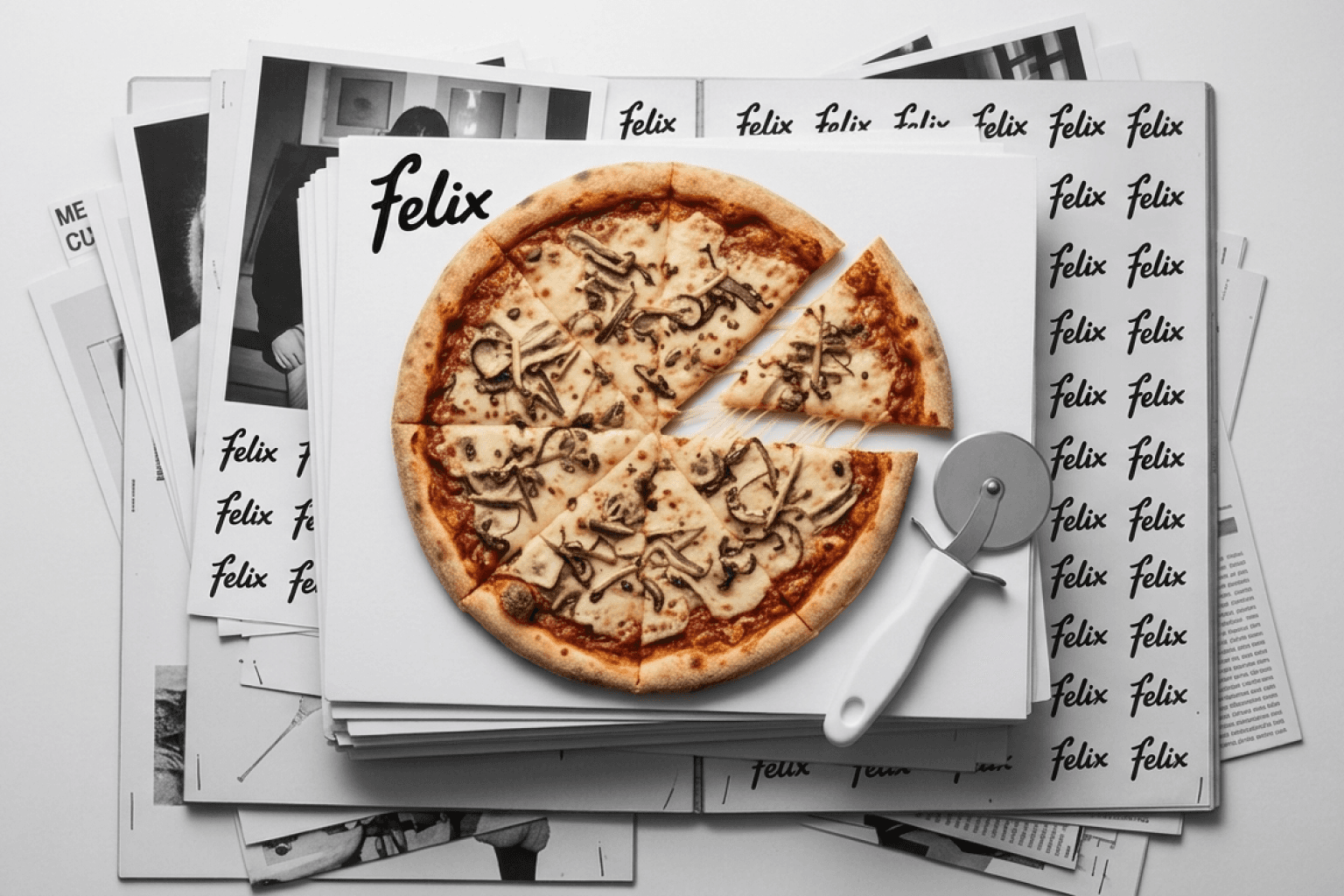
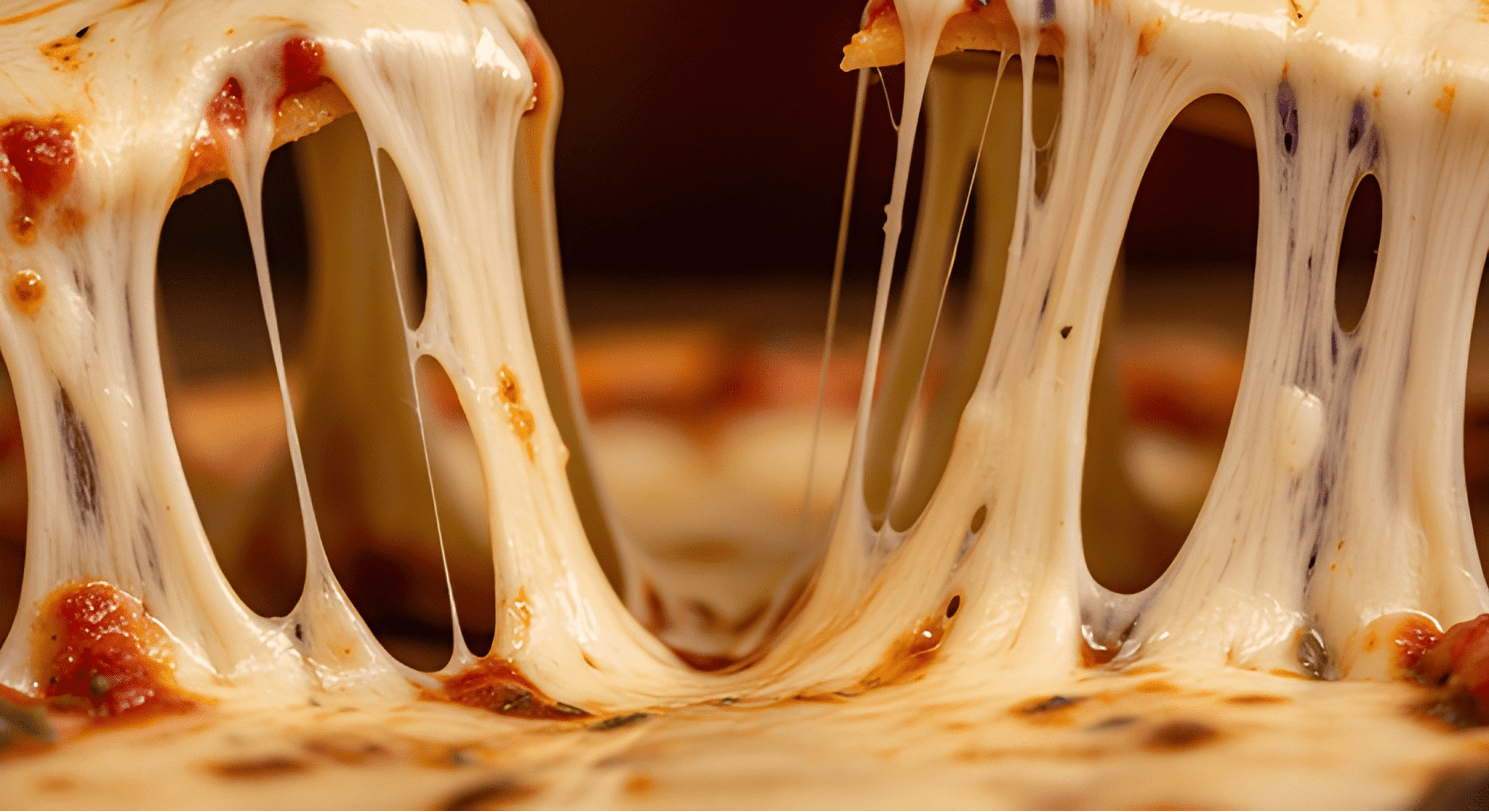
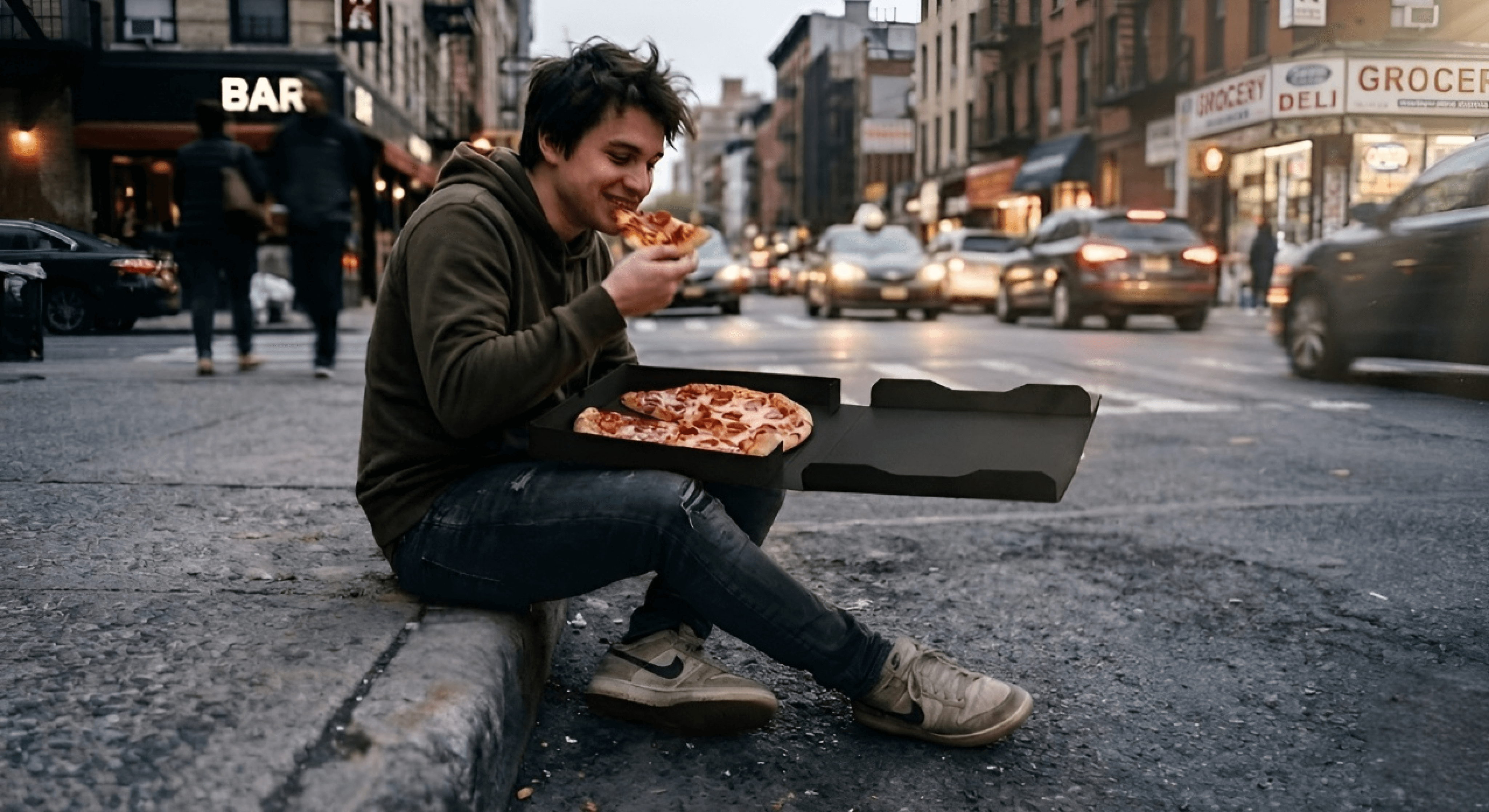
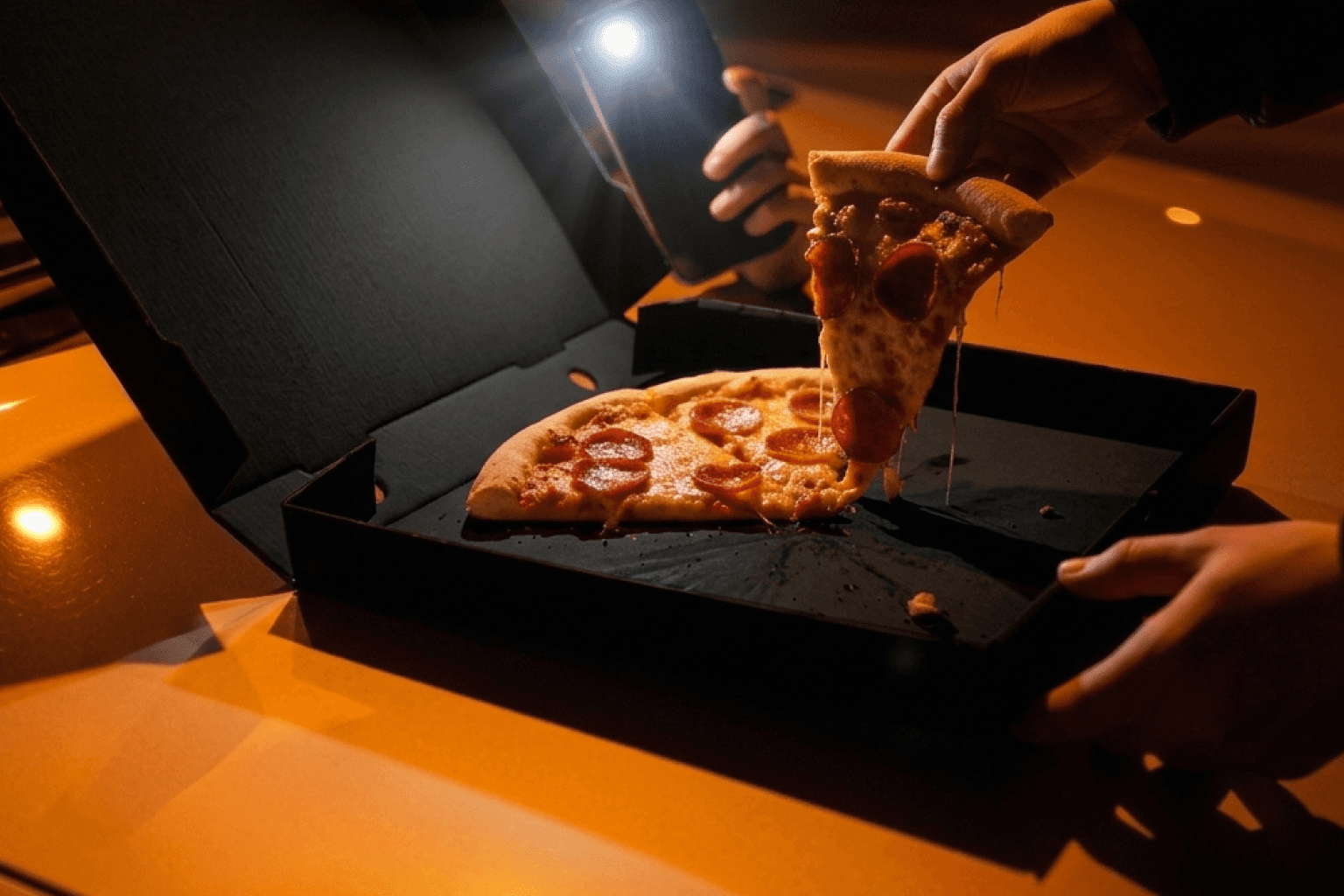
Rather than beginning with aesthetics, the process started with observation. Research focused on how Gen Alpha and younger millennials actually document food: quick phone captures, shared moments, inconsistent framing, natural light, and environments that feel lived in rather than staged. Parallel visual research explored the resurgence of photocopy culture — low-ink Xerox textures, scanned paper artifacts, and DIY publishing aesthetics re-emerging across contemporary design and independent music scenes. Instead of treating imperfection as nostalgia, the strategy reframed it as proof of reality.
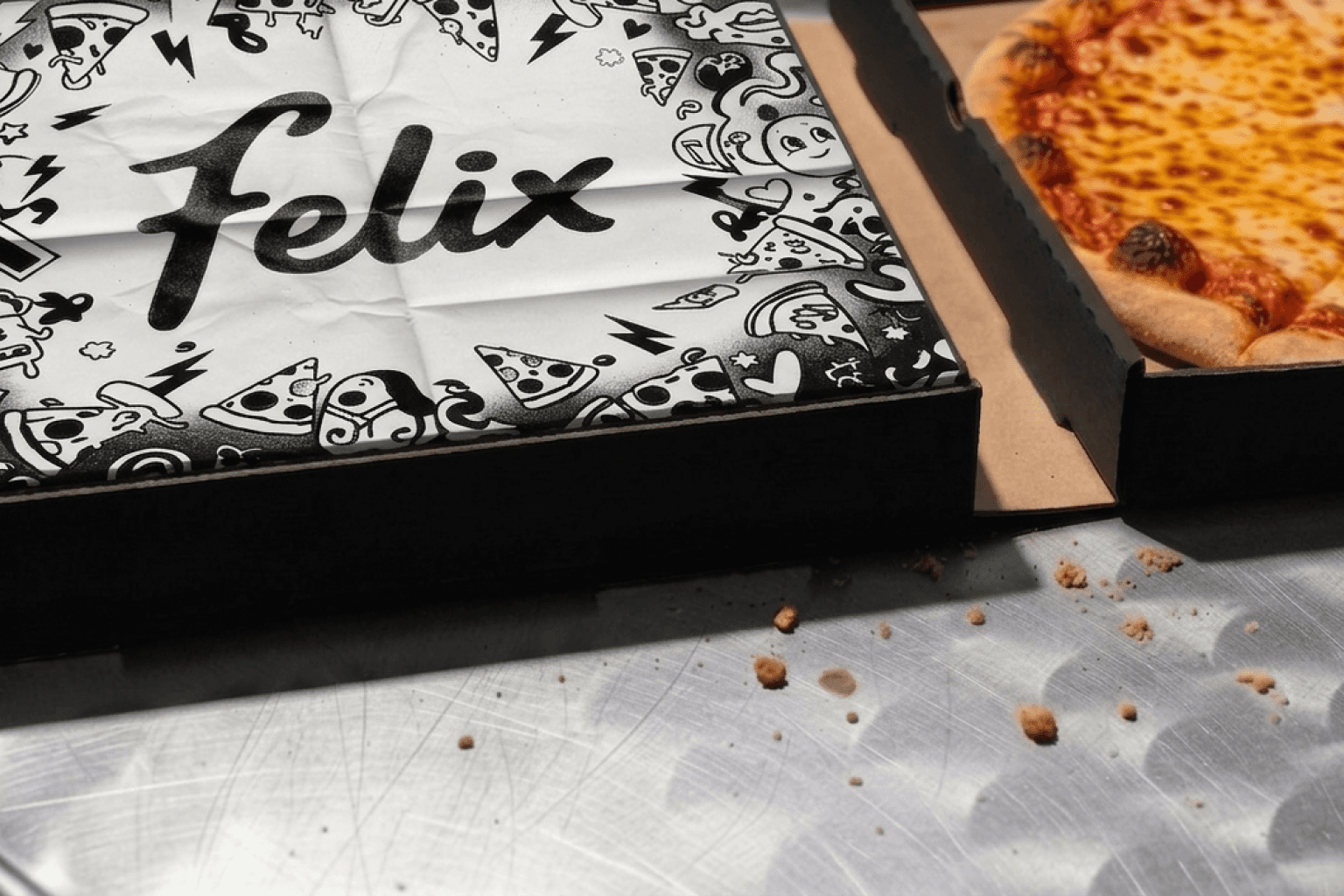
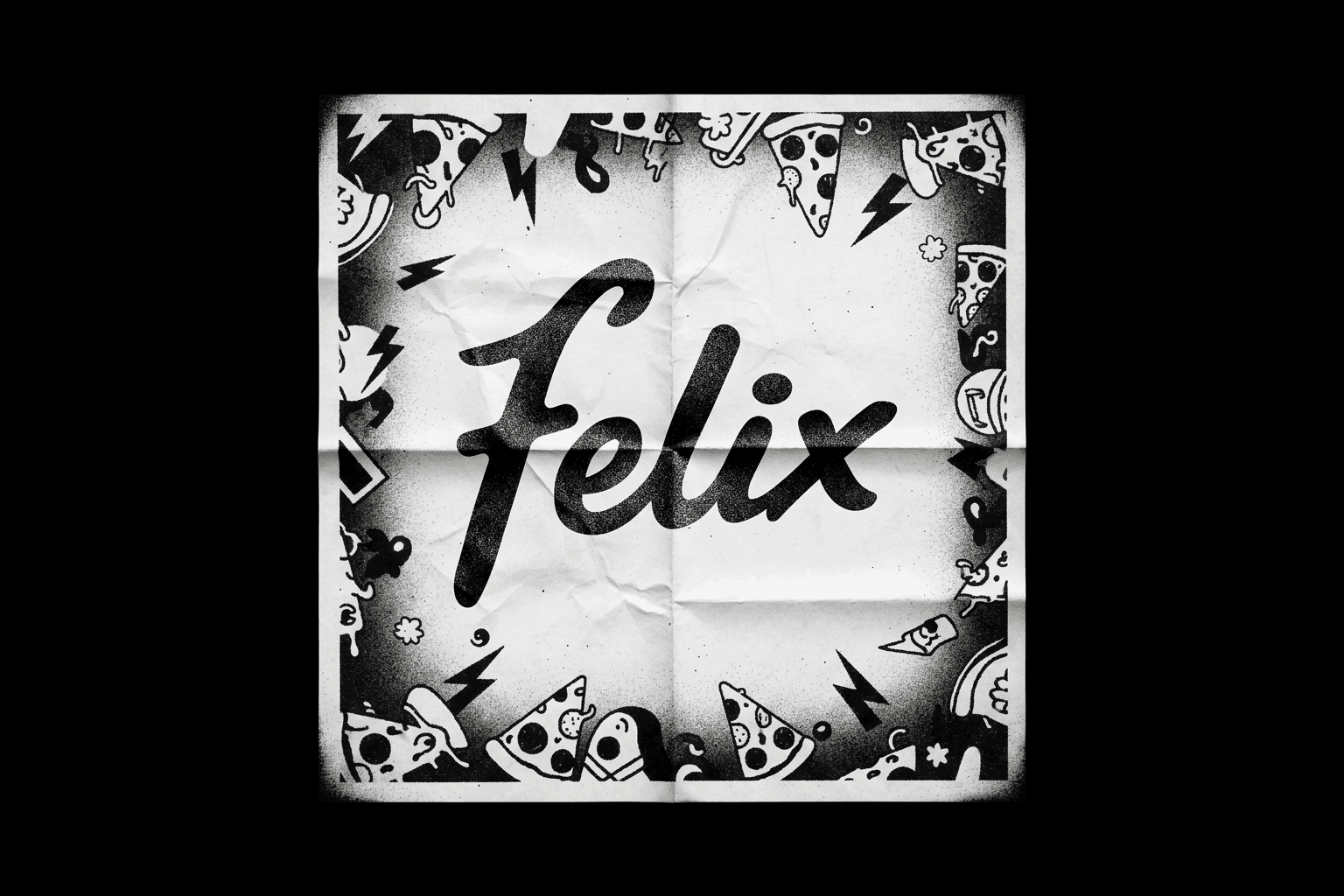
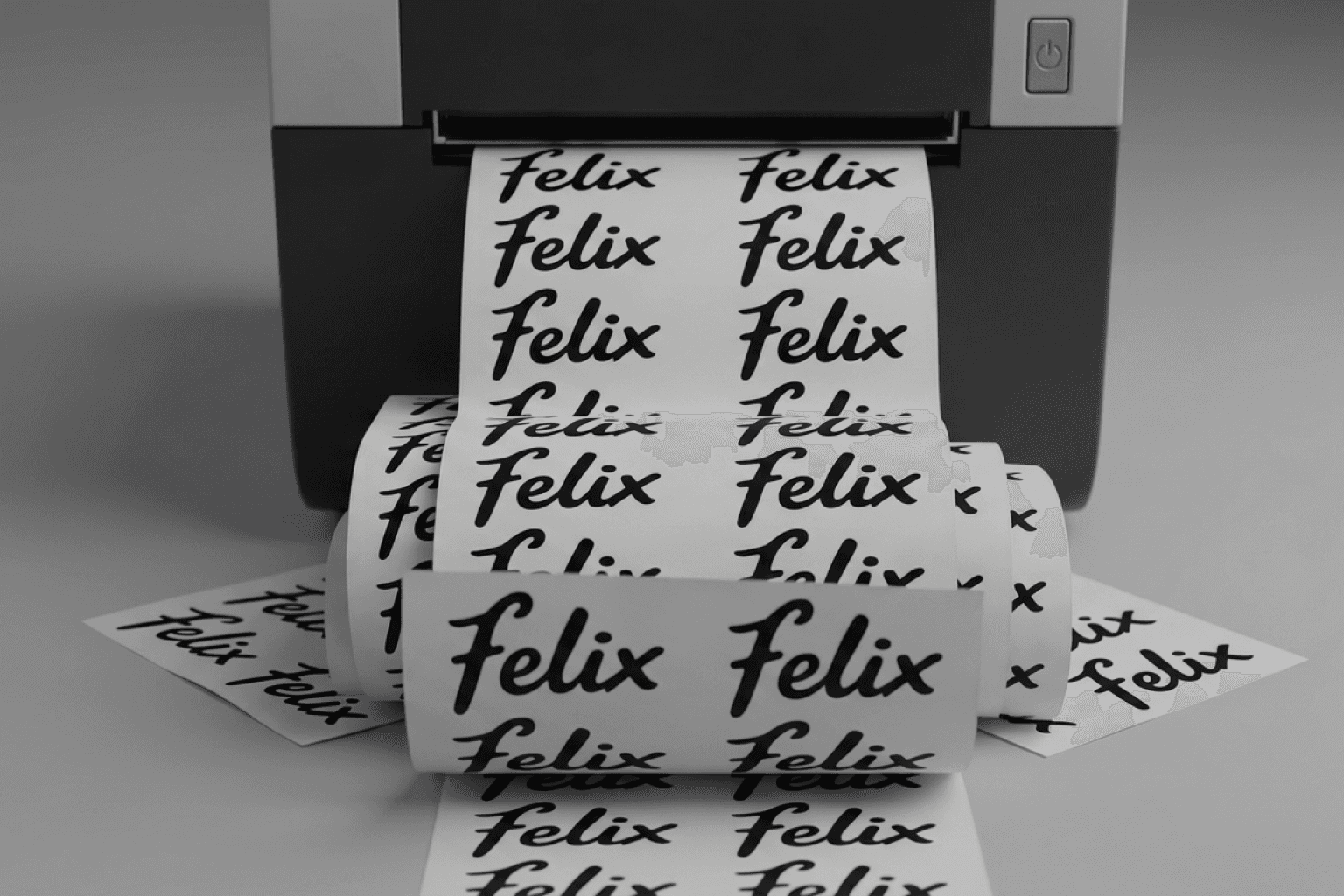
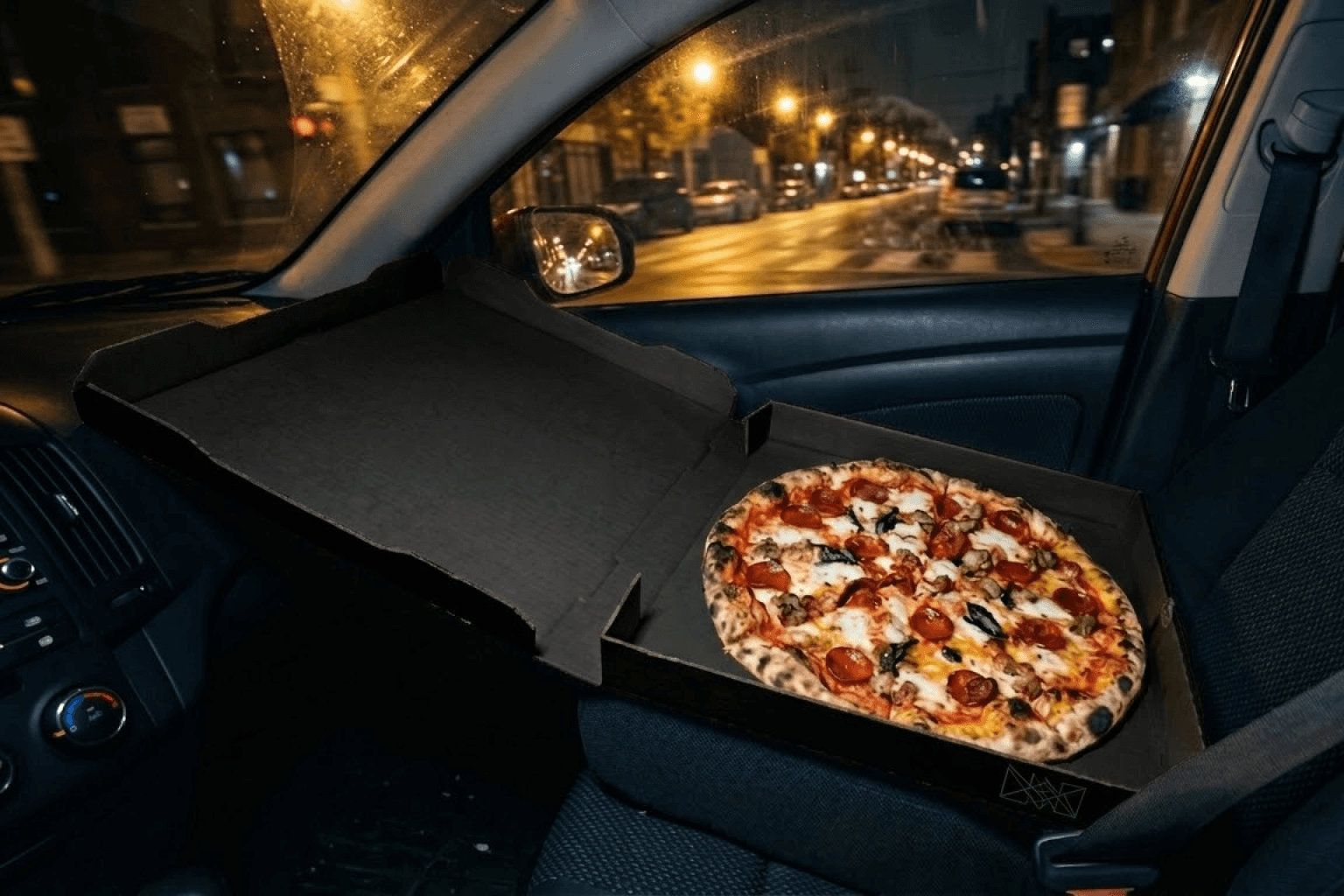
The final brand system positions the pizza box as the primary media channel. Every touchpoint — packaging, menus, posters, and digital assets — behaves like material produced on a nearly empty office photocopier. Logos fade, typography shifts subtly, and printed artifacts carry visible scan imperfections. Importantly, the imperfection lives only in the communication layer, never in the food or environment. Pizza photography rejects commercial styling in favour of documentary realism: natural light, casual social settings, and handheld camera behaviour consistent with how customers actually capture meals. The result is a brand that feels discovered rather than advertised.